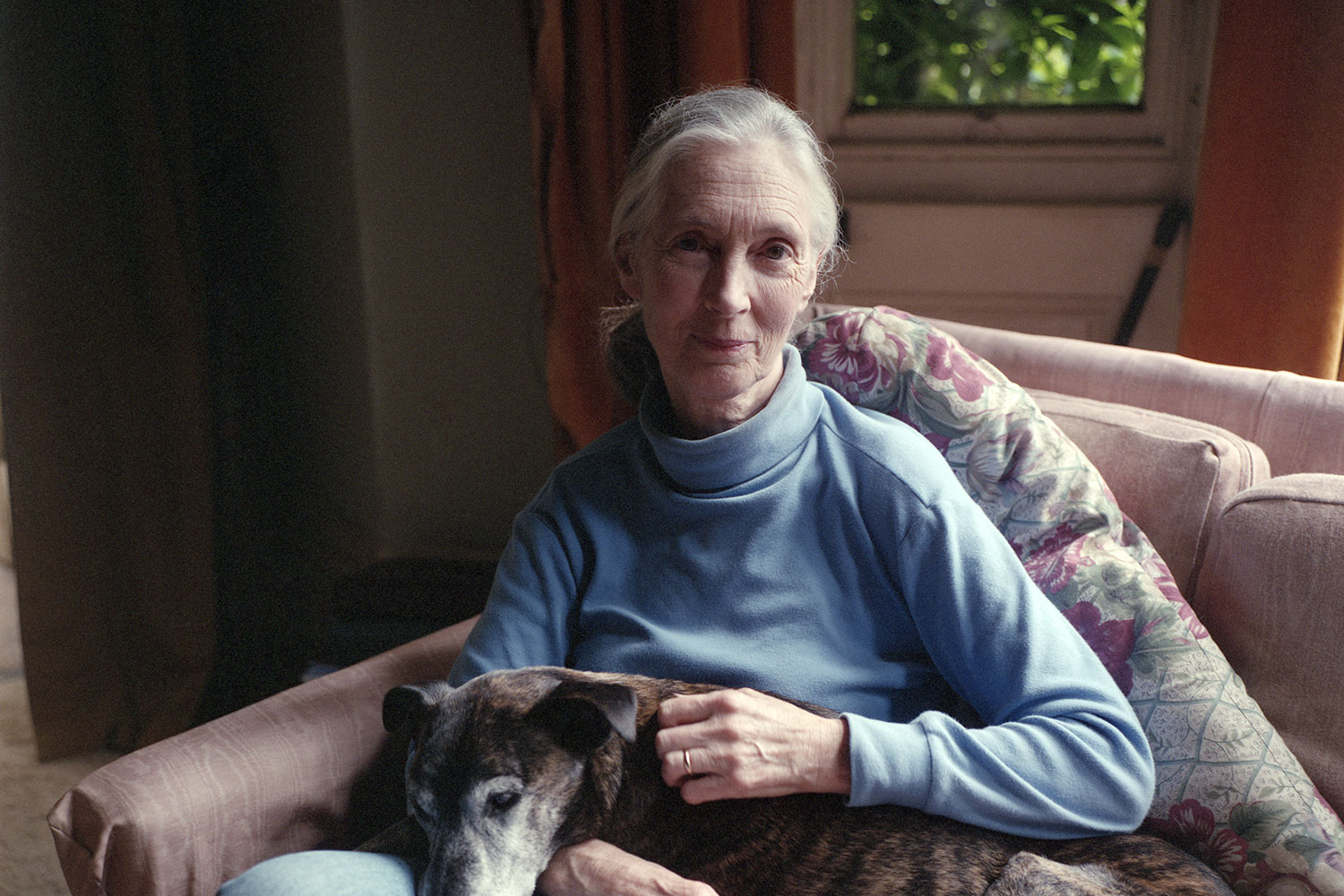
Last week in a glittering ceremony at the beautiful Art Deco Bloomsbury Ballroom in London, alongside a series of awards for the best camera gear and celebrating the efforts by those in the photography industry, Amateur Photographer Magazine awarded South African photographer Jillian Edelstein with the prestigious Lifetime Achievement Award.
When Jillian Edelstein pops up on our Zoom call it takes me a few seconds to recognise her. She’s just returned from a ‘flipping freezing’ swim at the mixed pond on Hampstead Heath. ‘It’s obsessional madness,’ she says, buried under a thick bundle of layers. Is this what it takes to become a Lifetime Achievement Award recipient? When I offer my congratulations, the word ‘lifetime’ makes her laugh. ‘It makes me feel like I’m 85.’ She’s still very much in her 60s.
What might have just been a routine daily dip, in Jillian’s hands morphed into her project, The Water Rats, documenting a diverse community of open-water swimmers during lockdown. Jillian’s work is often autobiographical in the deepest sense. She can’t help but respond to people at thresholds, whether it be political, emotional or elemental.
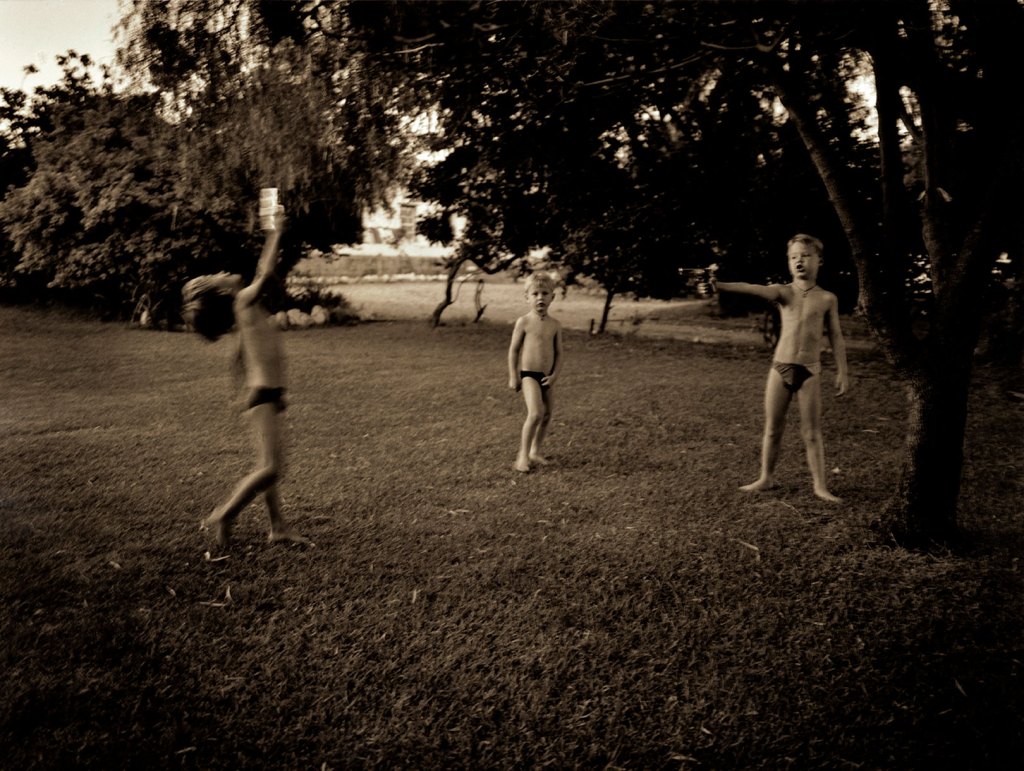
Over four decades, Jillian Edelstein has built a body of work that moves fluidly between long-form documentary and portraiture. Her landmark book Truth and Lies (Granta, 2001) remains one of the most compelling visual accounts of South Africa’s Truth and Reconciliation Commission. Subsequent projects including Sangoma (also known as Valley of the Ancestors), Affinities, Young Men: Worst Fears, and Here and There have all explored themes of ancestry, collaboration, masculinity and displacement.
In the run-up to the 2012 Olympics she was commissioned by The National Portrait Gallery and BT to produce a series of portraits of those working to make the Olympic and Paralympic Games happen.
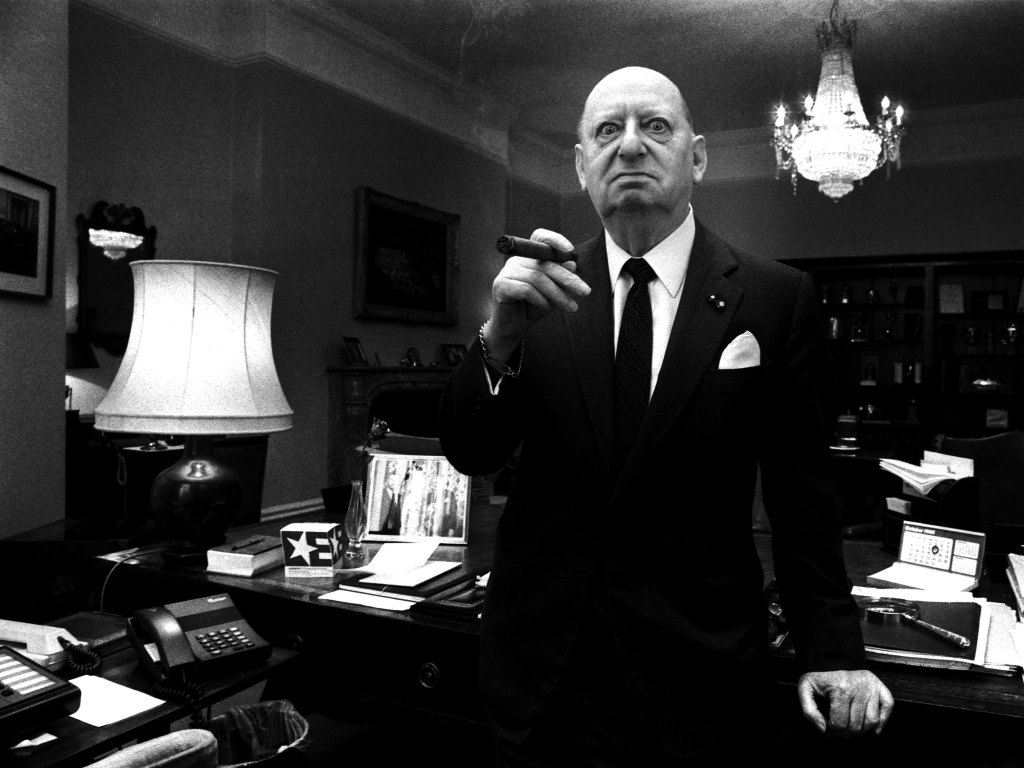
For Picture Britain: Our Poverty, Our People, she collaborated with writer Stephen Armstrong on a national portrait series exploring dignity and resilience amid poverty. For the Imperial War Museum’s Generations, she created contemporary portraits of Holocaust survivors and their families. More than 100 of her portraits are held in the UK’s National Portrait Gallery collection, portraits that have graced the pages of publications from The New Yorker to Vanity Fair.
She has exhibited across the globe from London and Paris, Cape Town and Arles. Received numerous honours, including the Visa d’Or at Perpignan, the John Kobal Book Award and the Kodak UK Young Photographer of the Year and twice been selected for the Taylor Wessing Portrait Award.
Mid-sentence she leaps up to let Fizz the cat out. Discards a layer and swishes out her long thick hair from under a hoody. As we delve into her legacy, there’s little ego and lots of momentum. She’s most enthusiastic when referencing new edits, unfinished films and projects. The award may celebrate her life, but Jillian is still very much building on it.
Growing up
Born in Cape Town, South Africa, Jillian speaks openly about growing up white and privileged under apartheid. That privilege came with moral friction. Early recollections that the safety and comfort she experienced could be threatened or erased. Her mother was chief medical social worker at the Groote Schuur Hospital, crossing between worlds from comfortable suburbia to townships legislated into poverty. ‘So my very early memories are in the townships and seeing this complete inequality because of the colour of your skin,’ she tells me. Rather than put her head in the sand, when photography arrived Jillian used it as activation.
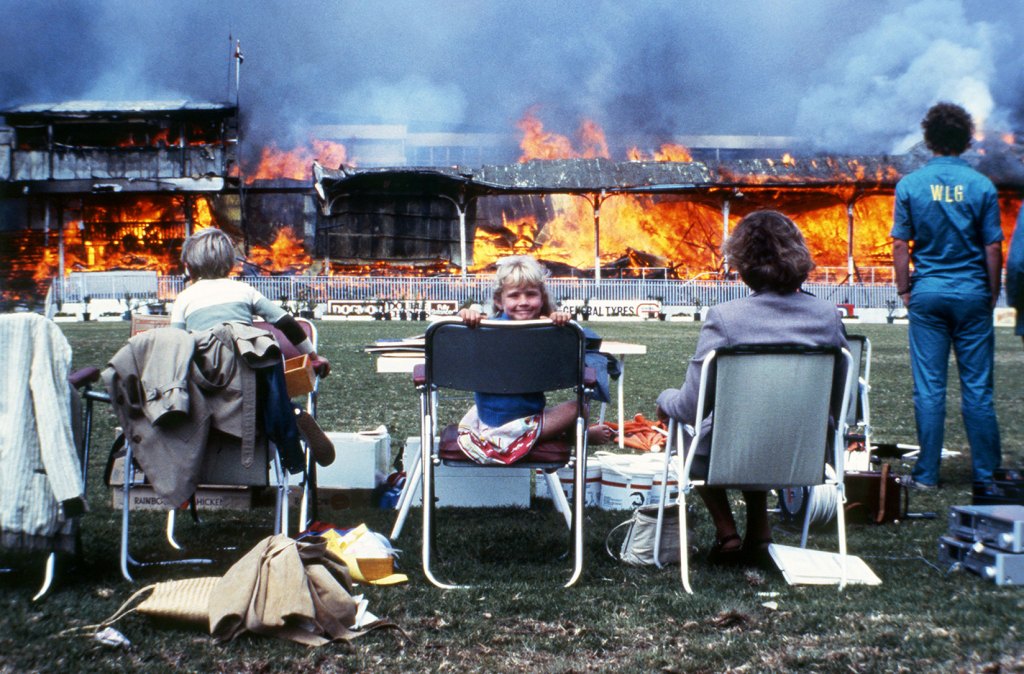
She began her career as a press photographer in Johannesburg, working on The Rand Daily Mail moving between sports, fashion and the aftermath of state violence. She speaks of photographing the family of a young man on Death Row labelled a ‘terrorist’ and of being blocked from entering the Sharpeville township during a state of emergency. There was an instant realisation that her camera could be both a passport and provocation. ‘It was glaringly obvious and inescapable,’ she says of apartheid. ‘I had to take it in, full force.’ That compulsion to witness, record and look directly has been a constant throughout her career.
Portraits and power
Jillian recalls the frustrations working as a press photographer when she was asked to follow the parents of Dr Neil Aggett, the first white person to die in detention at the hands of the apartheid Security Branch. ‘And it was at that moment I remember thinking, I can’t do this any more. This non-reciprocal, snatch and grab approach,’ she says.
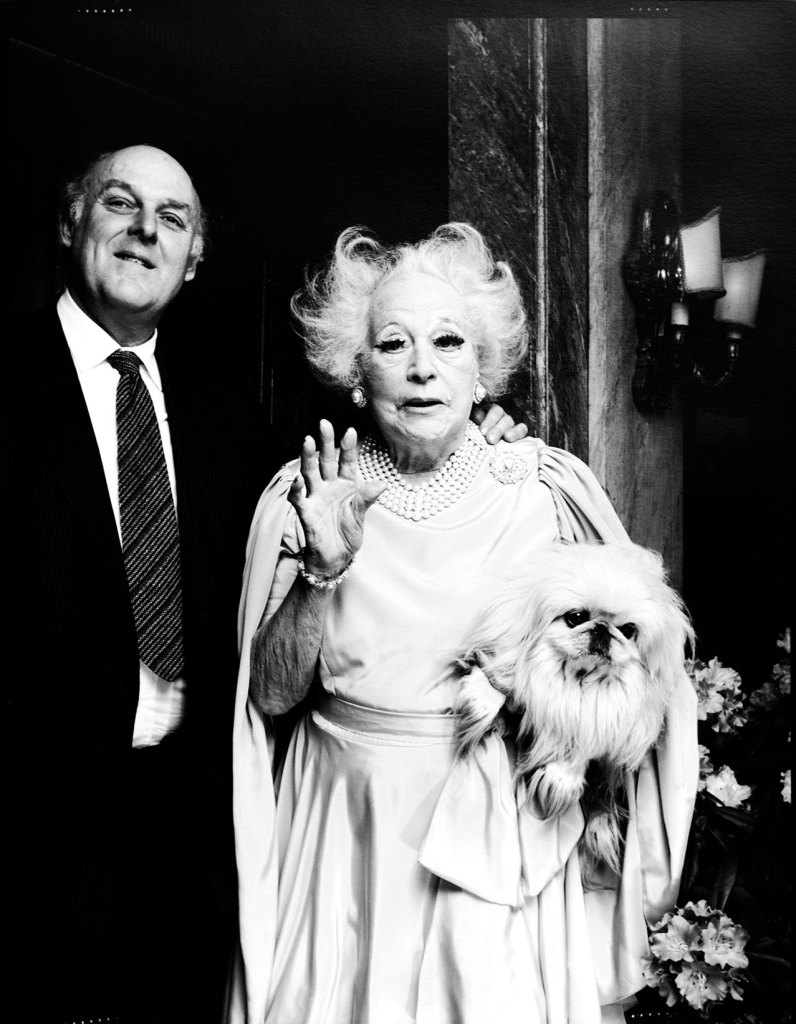
Her recalibration to portrait photography began after moving to London in 1985 to study at the London College of Printing. Visiting lecturers from The Sunday Times including then Picture Editor Michael Cranmer realised her potential and began to commission her to photograph figures as varied as Lord Lew Grade and Gérard Depardieu. For Jillian, portraiture has never been about access or proximity to fame but about exchange, documenting encounters. ‘It’s like a dance. Like two people tangoing,’ she explains.
A profound example of this is her acclaimed portrait of Nelson Mandela, made while she was documenting the Truth and Reconciliation Commission. Jillian was aware not to use flash – years in the limestone quarries had damaged Mandela’s eyes. When she put the light meter on his chest to take a reading he went to grab it. ‘President Mandela, it’s fine, you don’t need to do that,’ she said. ‘I’m just a country bumpkin,’ he replied.
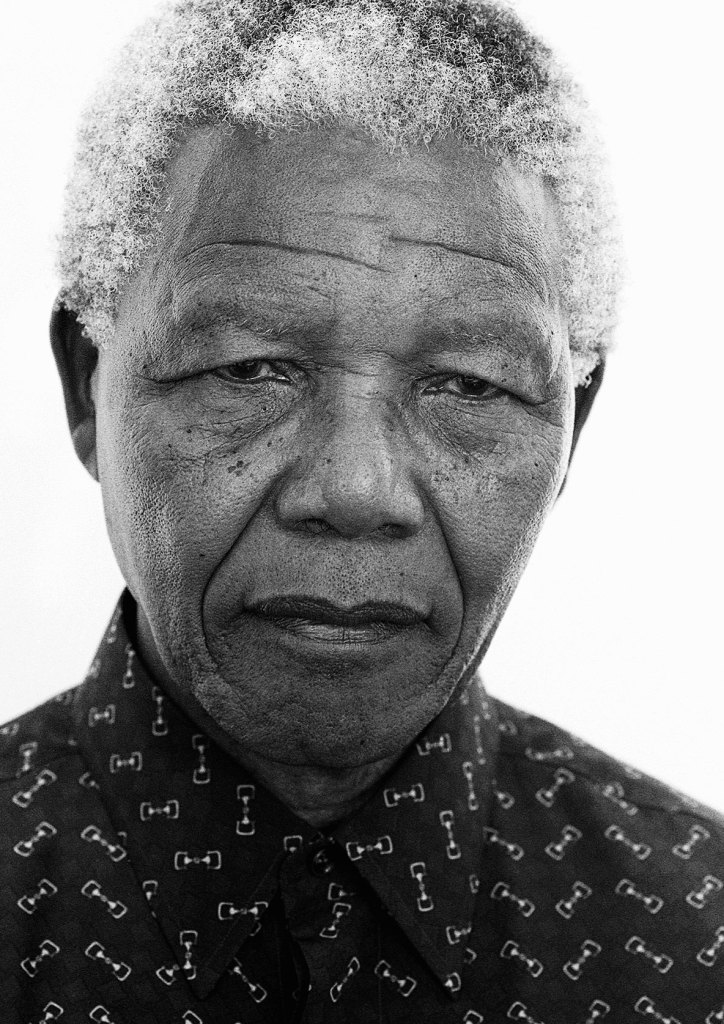
It’s a humbling exchange and remarkable portrait, brave even, to avoid the statesman-as-symbol approach and focus on the pause. ‘I responded to his aura, his calmness,’ she remembers. The portrait balances dignity and vulnerability. It could have been taken anywhere. Jillian deliberately ignored referencing any presidential trappings. The theatre is all there in Mandela’s face and the history behind it.
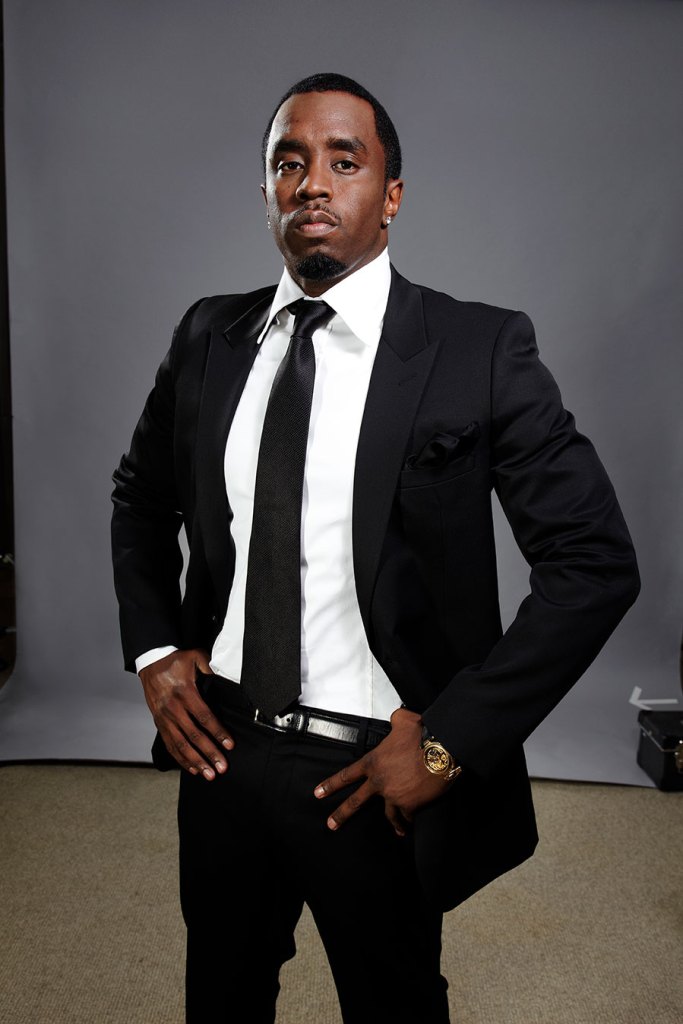
It’s perhaps that restraint and refusal to overstate the obvious that Jillian’s work has endured for so long. It didn’t always go to plan. When rapper P Diddy saw his digitally captured image on the computer screen he walked out – closely followed by his bodyguards. On another occasion, writer Barbara Cartland suggested tea after just 12 frames.
Truth and lies
From 1996 to 2002, Jillian repeatedly returned to South Africa to document the hearings of the Truth and Reconciliation Commission, set up to uncover human rights violations committed during apartheid. Choosing not to photograph from the press benches, she erected makeshift studios near the hearings and invited both victims and perpetrators to sit for her large-format camera.
She describes trembling while photographing groups of former security men. ‘It’s a seething mass of brute power.’ But also insists that charm, empathy and performance are necessary tools, even with those she profoundly disagreed with politically. ‘If you don’t understand compassion, you don’t operate well,’ she tells me springing to her feet to let in a shivering Fizz.
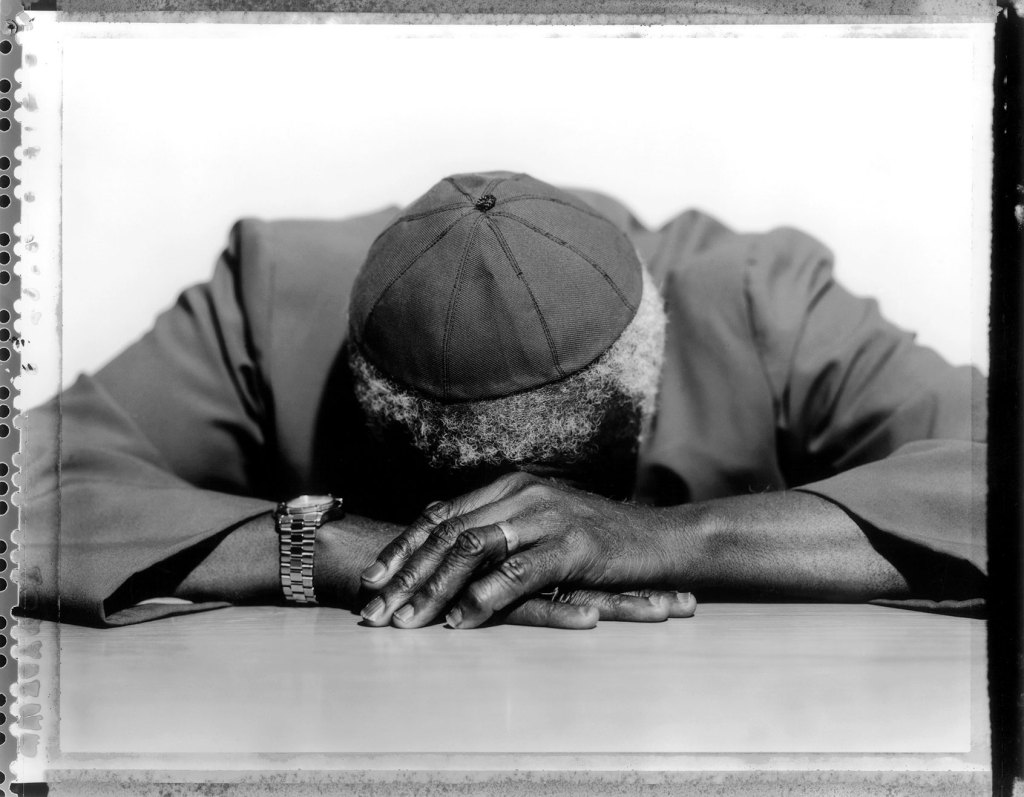
Compassion is not the same as absolution. Her portraits don’t soften the perpetrators, or sanctify the victims but hold them in the same visual register. The book that emerged, Truth and Lies, remains one of the most powerful visual documents of that period. It resists dramatising history, and instead invites the viewer in to take time to meet the eyes of those it represents.
Motherhood and momentum
Jillian has sustained her freelance photographic career adapting to the twists life inevitably brings, raising two children when her marriage faltered and with no supporting family network nearby. ‘There were moments where it was very tricky,’ she reveals.
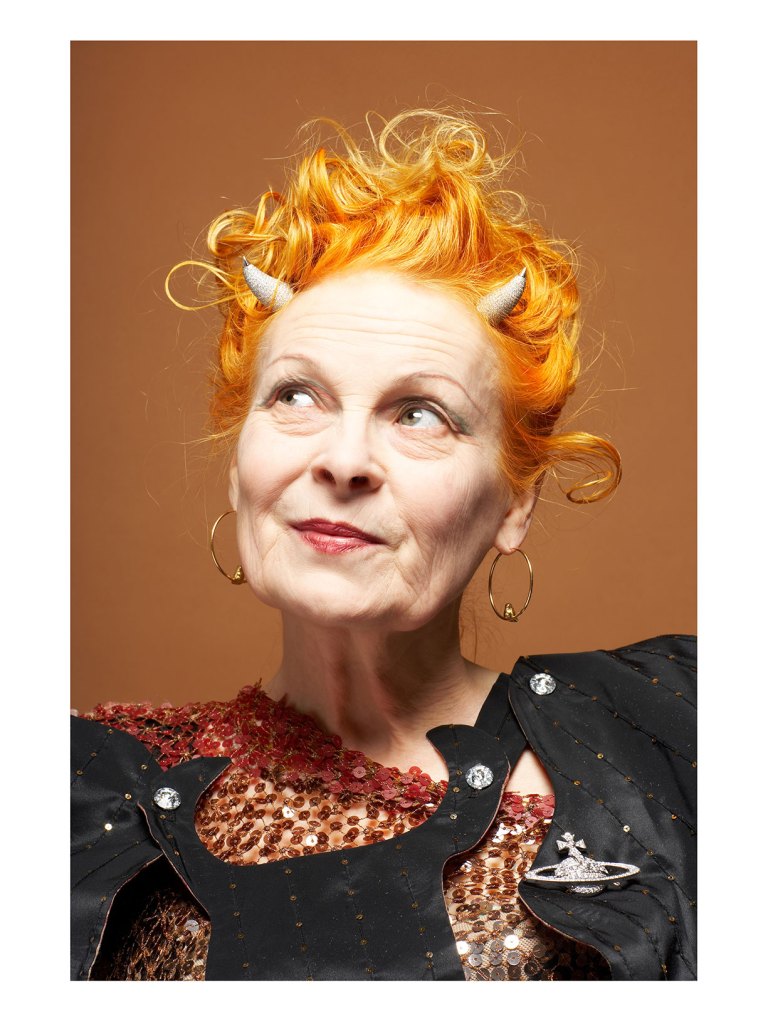
She remembers being commissioned to photograph actor Kathleen Turner when her daughter was around ten days old and breastfeeding on a pavement which Kathleen thought was cute. She remembers being told, earlier in her career, that she could not be sent to cover a bomb blast because she was a woman. Sometimes her byline from those early reportage assignments appeared as ‘Julian.’ ‘As a woman one has to be incredibly resilient. Doubly persistent,’ she says.
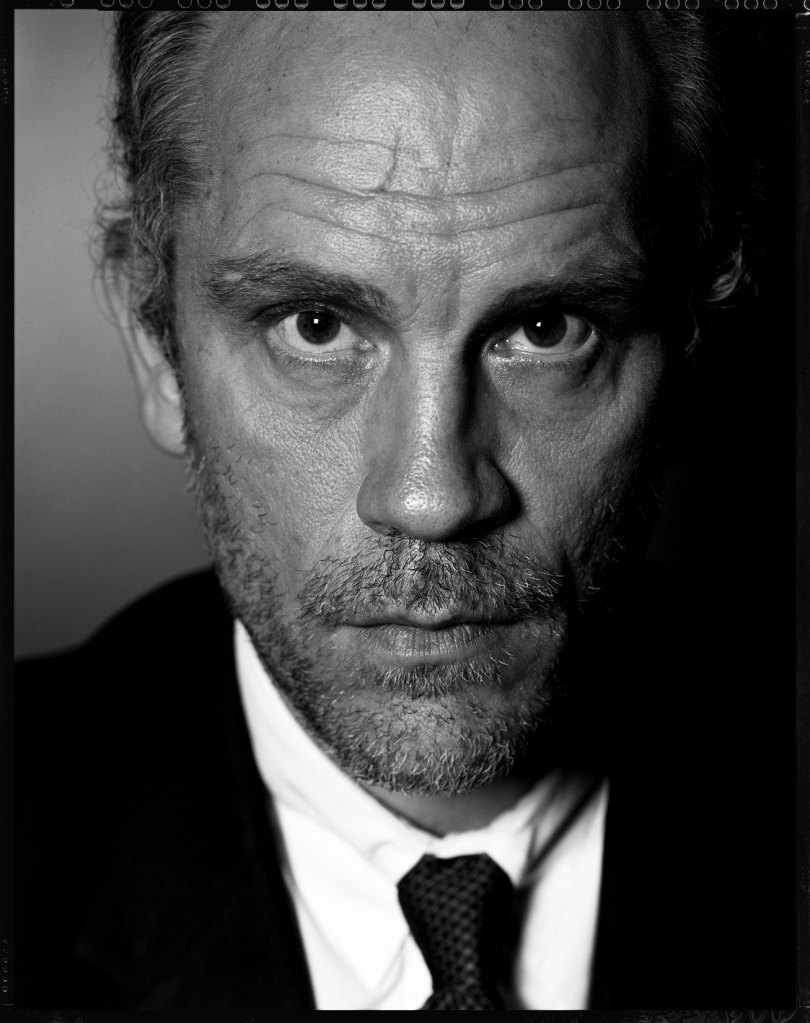
Her portrait commissions funded her long-term projects. The commercial and the personal lived side by side. That balancing act, creative ambition and economic survival, art and childcare, is inherent in recognising Jillian’s achievements. Her children are now adults, both creative in their own right. Photography was never separate but woven into the fabric of family. In Jillian’s case, ‘Lifetime Achievement’ feels more like an acknowledgement of sustained intensity.
Black & white, colour and time
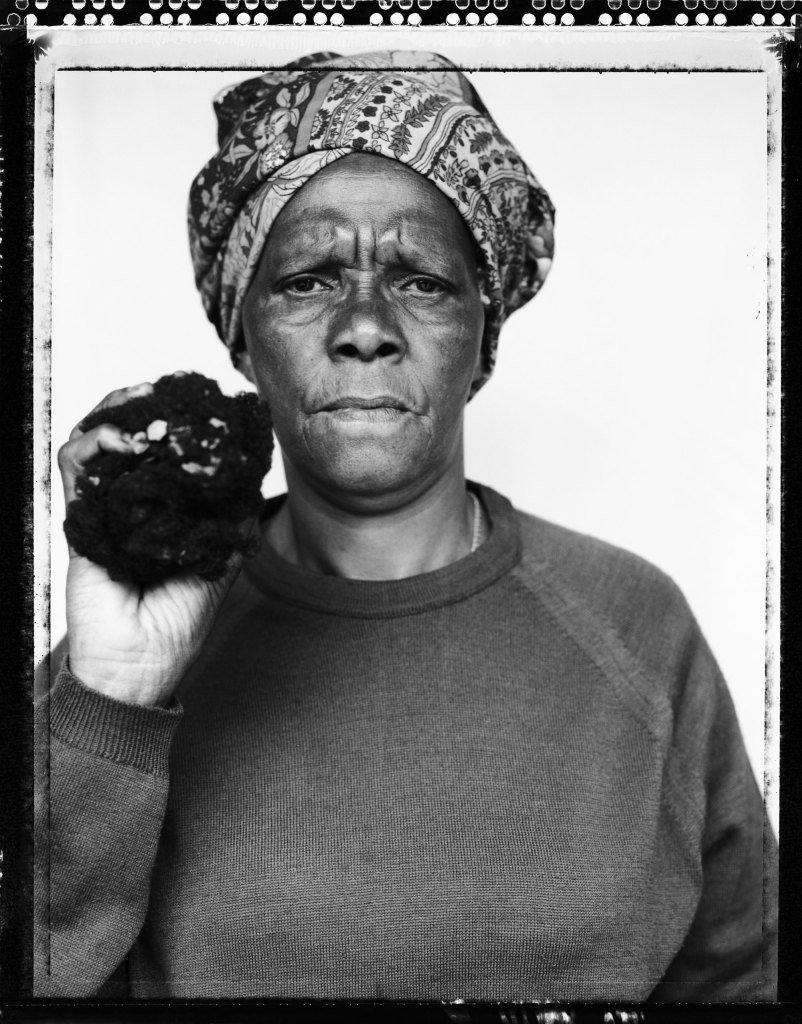
Inspired by Robert Frank, Richard Avedon, Mary Ellen Mark and Irving Penn, Jillian’s early reputation was built largely in black & white. For Truth and Lies it just felt right. Black & white arguably helped neutralise the anxiety of the situation. It can create distance and offer protection. I ask her about moving more into colour, and she reflects carefully. ‘With black & white, you do take away a little bit of reality,’ she says. Her series on Sangomas about traditional healers in South Africa, demanded colour. The landscape, the rituals, the inherited knowledge passed between generations required a different palette. ‘I couldn’t not respond to it.’
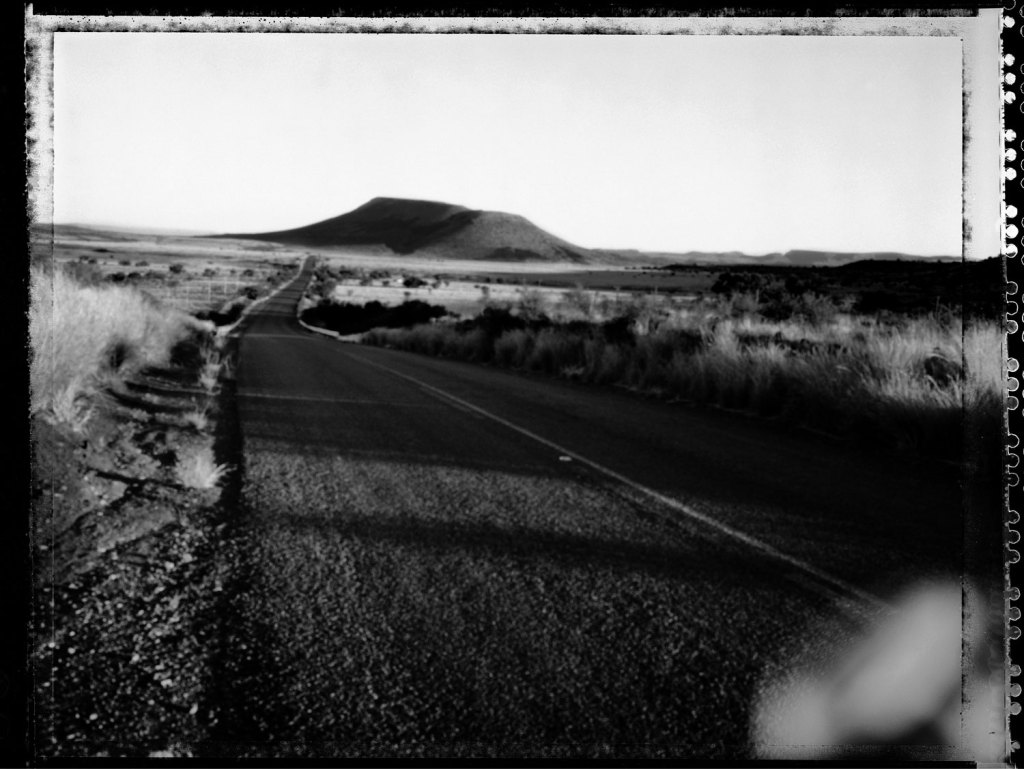
Photographers are often tethered to a single aesthetic. Jillian has moved between documentary and portraiture, analogue and digital, black & white and colour, stills photography and film. Intermittently over the past decade she has been working on a feature documentary about the screenwriter Norman Wexler (think Saturday Night Fever, Serpico and Joe). ‘My projects feel like little spirits around me. They’re ever- evolving,’ is her analogy.
Core impulse
Jillian has photographed presidents and prisoners, celebrities and shamans, collaborators and adversaries. Her long-term projects have taken five years or more to complete. She has moved countries, industries and formats without losing the core impulse that began in South Africa: to look directly at what power does to people. Jillian’s curiosity and a deep need to understand is tangled with ambition. As our conversation winds down, she’s already thinking what’s next? The AP Lifetime Achievement award may mark four decades of work, but she doesn’t behave like someone reflecting – more like someone mid-swim.
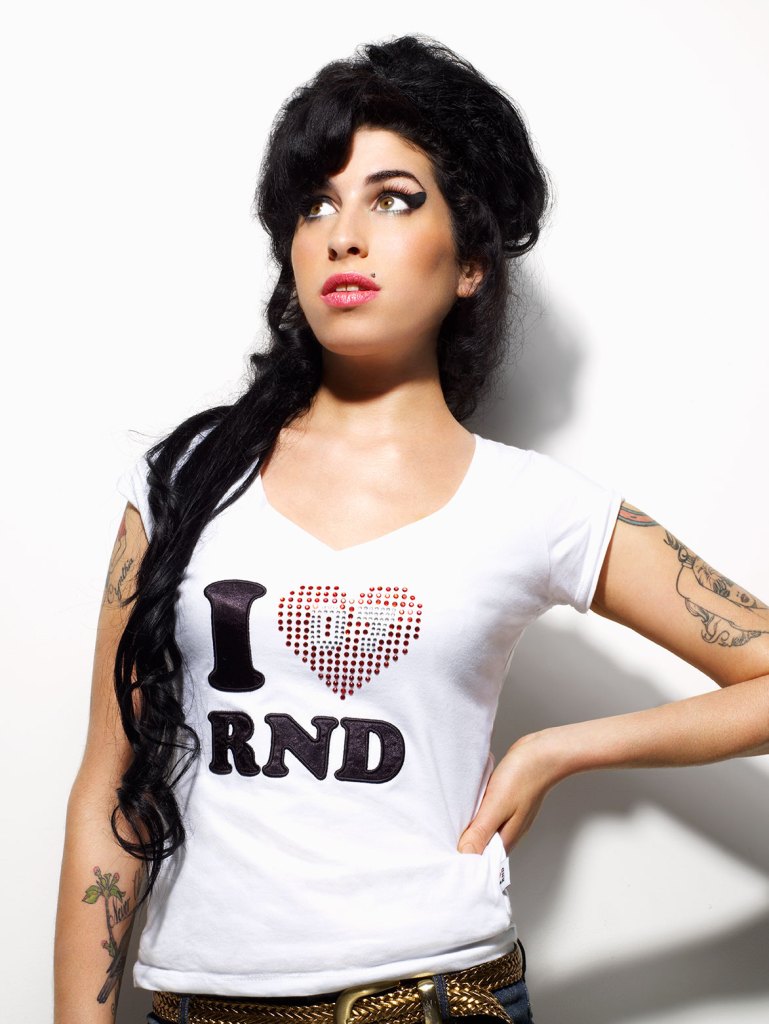
Jillian Edelstein has built a body of work deserving of recognition. Perhaps the real achievement is that after all these years she remains hungry, still questioning and willing to stand toe to toe with her subjects for another dance.
See more winners from this year’s Amateur Photographer Awards:
- These are best cameras and lenses you can buy right now
- You voted for the best camera gear – here are the results!
- These amazing London street pictures just won UK Film Photographer of the Year
- HONOR Night Photographer of the Year winners revealed!
Follow AP on Facebook, Instagram, YouTube and TikTok.
The post ‘As a woman you must be resilient and persistent’ – the remarkable story of portrait photographer Jillian Edelstein appeared first on Amateur Photographer.
